Birding vs. Bird Watching: Defining the Hobby with Ecotours Experts
The Ecotours Experts Perspective: Bridging the Divide
The rustle of leaves, a flash of colour, and the sudden, unmistakable call of an unseen creature—few hobbies offer such a profound, immediate connection to the natural world as the observation of birds. Across the globe, millions have embraced this pursuit, whether from the comfort of their kitchen window or deep within remote, biodiverse jungles.
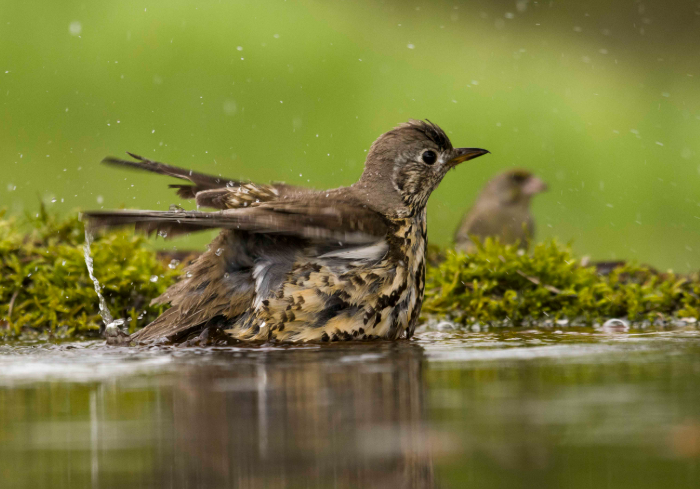
Yet, within this passionate community, a subtle linguistic divide exists, often causing confusion for newcomers: Is it “birding” or “bird watching”? Are these terms interchangeable, or does each denote a distinct level of commitment, equipment, and philosophy?
For the team at Ecotours Experts, who lead tailored expeditions into the world’s most sought-after avian habitats, understanding this distinction is crucial. It’s not a matter of snobbery, but of setting expectations and designing the right experience.
From our expert perspective, the difference is significant. It is the difference between a spontaneous, appreciative encounter and a highly intentional, goal-oriented pursuit.
The Fundamental Split: Intent and Commitment
To the casual observer, the terms are synonyms. You are looking at birds, so you are “watching” them. Simple enough. However, the culture and community surrounding dedicated avian observation have developed a meaningful shorthand:
-
Bird Watching refers to the broader, often passive, and casual appreciation of birds and their behaviour.
-
Birding refers to the active, methodical, and often goal-driven pursuit of finding, identifying, and documenting birds.
Let’s break down these two philosophies, relying on the insights gathered over decades of leading international bird tours.
Bird Watching: The Foundational Joy
Bird watching is the hobby in its most accessible, pure, and meditative form. It is the gateway drug to a lifelong passion. The bird watcher’s intent is primarily appreciative. They are delighted by the presence of a Common Blackbird in the garden, amused by a Robin building a nest, or soothed by the flight pattern of a local raptor.
Ecotours Experts defines the Bird Watcher by the following characteristics:
-
Mindset: Relaxed, spontaneous, and non-competitive. The emphasis is on the overall nature experience, where birds are a welcome, central component.
-
Setting: Easily accessible areas—the backyard feeder, a local city park, or perhaps a beach during a seaside holiday. They are observers who find joy in the moment, without the pressure of a checklist.
-
Equipment: Minimal and functional. A decent pair of 8x42 binoculars, maybe a laminated regional field guide, or a simple phone app for identification. The focus is not on technology, but on the simple act of looking.
-
Motivation: Serenity, connection to nature, and the aesthetic enjoyment of avian life. A bird watcher may not care if the warbler they see is a Tennessee or an Orange-crowned; they simply appreciate its song and colour.
For the vast majority of people engaging with birds, the term “bird watching” captures the essence of their enjoyable and unstructured hobby. It is the bedrock upon which the more intense pursuit is built.
Birding: The Active Pursuit and The Passion
If bird watching is a contemplative noun, then Birding is an active, goal-oriented verb. The Birder operates with a distinct mission. Their outing is often a structured expedition, a dedicated effort to add a new species to a personal Life List (the tally of every bird species they have ever positively identified) or a regional Year List.
As leaders in specialized birding travel, Ecotours Experts notes that the Birder often exhibits a different profile:
-
Mindset: Methodical, committed, and often highly focused on positive identification (ID). There can be a competitive element, whether against personal lists, time, or other birders. The motto is often "Identify, Document, List."
-
Setting: Target-driven locations. This means travelling hours to a specific wetland for a rarity, rising before dawn to stake out a known roosting site, or booking a multi-day international tour (often with Ecotours Experts) into a remote habitat known for endemic species.
-
Equipment: Specialized and often costly. This includes high-magnification spotting scopes (essential for viewing distant shorebirds or raptors), high-quality DSLRs or mirrorless cameras with telephoto lenses (often called "digiscoping" setups), portable sound recording equipment, and dedicated GPS for precise location logging.
-
Motivation: The thrill of the chase, the scientific challenge of ID, and the satisfaction of contributing validated data to platforms like eBird. The Birder’s knowledge of taxonomy, calls, and habitat is often deep and technical.
In essence, the transition from bird watching to birding is marked by a shift in intent—from mere appreciation to methodical documentation and listing. This shift in commitment dictates everything, from the optics you carry to the destinations you seek.
For Ecotours Experts, the distinction between bird watching and birding is not about gatekeeping; it is a vital tool for successful tour design and ensuring client satisfaction. When a client books a trip, knowing their intent dictates the itinerary, the guide's approach, and the recommended gear list.
If a client identifies as a Bird Watcher, our priority is immersion and appreciation. The pace will be relaxed, featuring extended periods for landscape photography, local culture, and observation of broader ecological interactions. We aim for high-quality, close-up views of common and striking species, rather than exhausting hikes in pursuit of a single, obscure rarity.
If a client identifies as a Birder (especially a "Lister"), the focus narrows considerably. The tour becomes a methodical, mission-critical expedition. This means early mornings, long treks to specific microhabitats, and the patience required for hours of "stake-out" viewing. The success of the trip is often measured by the number of Lifers (new species) added to their list. Our expert guides are trained to understand the taxonomy of the region and the precise call notes of difficult-to-identify species, making the experience highly technical and targeted.
Ethical Observation and Conservation: The Shared Core
Regardless of whether our clients are watching or birding, Ecotours Experts adheres to a strict code of ethical conduct. This is the shared moral center of the hobby. We emphasize minimizing disturbance to the birds and their environment.
This includes:
-
Distance: Maintaining a respectful distance, especially near nests or feeding grounds.
-
Sound: Judicious use of "playback" (playing a bird's recorded call to attract it). For most Bird Watching tours, playback is avoided entirely to ensure the birds remain undisturbed. For advanced Birding tours, it is used minimally, always in consultation with the guide, and only when necessary for positive identification.
-
Habitat: Never trampling sensitive vegetation or encroaching on private property.
By upholding these standards, we ensure that our ecotourism activities directly support conservation efforts. Every client, whether a casual observer or a dedicated lister, becomes an active participant in protecting the habitats they visit.
The Gear and The Grit: Tools of the Trade
The philosophy of the hobby is often reflected in the equipment carried. This is where the budget and commitment of the Birder starkly contrast with the Watcher.
A Bird Watcher requires basic tools to enhance their appreciation. A decent pair of 8x42 binoculars (8 power magnification, 42mm objective lens) provides bright, steady views and is easy to carry. Coupled with a user-friendly field guide or a free identification app like Merlin, they are fully equipped for a rewarding day.
The dedicated Birder treats their equipment as a necessity, not a luxury. Their gear kit can easily represent a significant investment:
-
Premium Optics: High-magnification, high-definition binoculars, often paired with an ultra-stable spotting scope (20-60x magnification) on a sturdy tripod. This is essential for studying ducks on a distant lake or shorebirds feeding far out on a mudflat.
-
Documentation: High-end camera gear with long telephoto lenses, or digiscoping equipment (attaching a camera or phone to a spotting scope eyepiece). This allows for visual proof of rare sightings (critical for official listing) and detailed study of plumage.
-
Field Resources: Waterproof notebooks, GPS devices, and subscription-level access to digital birding databases and rare bird alerts. The Birder is constantly documenting and cross-referencing.
The commitment required to master this specialized equipment is what distinguishes the two groups. A Birder is often tracking not just the bird, but the data surrounding the sighting: exact coordinates, time of day, weather conditions, and precise behavioral notes—information crucial for citizen science platforms like eBird.
Practical Guide to Leveling Up Your Hobby
Many enthusiasts begin as Bird Watchers and, through growing curiosity, eventually transition into Birders. This transition usually happens organically, spurred by the desire to identify a mysterious song or to track down a species seen only in a book.
Here are the Ecotours Experts' recommendations for making that shift from appreciative observer to dedicated birder:
-
Embrace the Checklist: Start small. Instead of aiming for a Life List immediately, focus on a Yard List (birds seen from home) or a County List. The act of recording and verifying an ID sharpens your focus and transforms observation into documentation.
-
Learn the Calls: Binoculars only get you so far. Many species are identified primarily by ear. Dedicate time to learning the songs and call notes of local birds. This skill instantly increases your "find rate" and is a hallmark of the serious birder.
-
Invest in Optics: While expensive gear isn't mandatory, upgrading your binoculars to a higher quality brand with superior light-gathering and clarity will reduce eye strain and allow you to see crucial field marks (small distinguishing features) necessary for positive ID.
-
Join the Community: Find a local bird club or Audubon chapter. Go on guided bird walks. This is the fastest way to learn local hotspots, ethical guidelines, and advanced identification techniques from experienced individuals. Don't be shy; the birding community is generally supportive of newcomers.
-
Utilize eBird: Start logging your sightings on the eBird platform. This free tool, run by the Cornell Lab of Ornithology, turns your hobby into citizen science, contributing invaluable data to global conservation efforts. The structure of eBird forces you to be accurate and systematic in your observations—a defining trait of the birder.
Beyond The Checklist: The Philosophical Convergence
While the technical distinctions between Birding and Bird Watching are clear—one being appreciation and the other pursuit—the philosophical goals ultimately converge.
At their core, both activities spring from the same well of curiosity and reverence for nature. A dedicated birder, despite their focus on the list, can instantly revert to a simple bird watcher when confronted with a spectacular display—a raptor soaring effortlessly on a thermal, or the intricate mating dance of a shorebird. The list is forgotten, and the moment of pure, aesthetic appreciation takes over.
This dual capacity is what makes the hobby so rich. The bird watcher provides the broad base of appreciation necessary to foster environmental stewardship in the general public. The birder provides the highly detailed, systematic data crucial for scientific research and conservation policy. Both are indispensable.
Ecotours Experts believes that the best relationship with birds is one that balances the rigor of the chase with the grace of simple observation. Whether you are passively enjoying a cardinal outside your window or aggressively tracking a rare petrel on a pelagic trip, your engagement affirms the value of avian life and the necessity of preserving global biodiversity. You are part of the solution.
The world of birds is expansive, challenging, and endlessly rewarding. What matters most is that you step outside, look up, and begin.